
LA Fashion Trends are easier to read when we separate confirmed cultural inputs from loose style guesses. On October 8, 2026, Los Angeles has several real signals worth studying: LACMA’s textile-heavy exhibition calendar, trade sourcing events at the California Market Center, and spring runway coverage pointing toward stronger tailoring. For music creators, stylists, small merch sellers, and visual directors, the useful question is not which look will “take over.” The better question is which references have enough public visibility, material logic, and creative flexibility to inform responsible design choices.
Why LA Fashion Trends Need Exhibition Context
Fashion influence often gets framed as a quick visual reaction, but exhibition context slows that process down in a productive way. A museum show does not automatically create a retail trend, and a trade event does not guarantee that a silhouette will reach the street. Still, exhibitions can help creators understand why a fabric, cut, print, or mood is being discussed at a specific moment.
LA Fashion Trends As Research, Not Forecast Hype
The safest reading of LA Fashion Trends in October 2026 is that several sources are pointing toward structure, textile memory, and expressive surface design. That is different from claiming a single unified direction. Los Angeles has luxury labels, indie makers, cosplay communities, rave styling, vintage resellers, film-adjacent costuming, and merch sellers working at the same time. A trend signal may matter to one group and barely register with another.
For producers and visual-minded artists, I would treat these exhibition cues like a sample pack. Not every sound belongs in the beat. Some references only become useful after editing, layering, and clearing out what does not serve the track, the audience, or the product.
How Cross-Disciplinary Reading Helps Creators
Los Angeles also rewards cross-disciplinary reading. A costume display can suggest sleeve volume for a stage jacket. A textile sourcing fair can point toward deadstock, blends, or tactile trims for merch. A print exhibition can influence cover-art contrast or lighting. A fashion runway can signal the kind of shapes buyers may soon expect to see in showrooms, even if independent communities interpret those shapes differently.
For readers tracking related art-and-fashion references, RobSonic has also covered fashion influence through exhibitions with a similar caution around claims. Additionally, if you’re interested in content from the same publishing network, Kay Granger offers a related perspective.
LACMA Textile Signals And Costume Memory
LACMA is the strongest exhibition anchor in the available research. As of October 8, 2026, the museum lists current exhibitions including Fashioning Chinese Women: Empire to Modernity, scheduled from June 14 to October 12, 2026, along with shows such as Eileen Cowin: Between Panic and Paradise, Danse Macabre: Death in Print, and Pablo Picasso — Portraits in Disguise on its current exhibitions page LACMA current exhibitions. The fashion exhibition is described in the research as featuring more than 70 ensembles, tracing movement from Qing Dynasty robes to modern cheongsam and qipao silhouettes.
The fashion implication should be handled with care. It is reasonable to expect renewed attention to silk, line, closure systems, collar shapes, and body-skimming tailoring. It would not be responsible to flatten Chinese dress history into a vague mood board. Creators using this material should study source context, avoid costume-like imitation when the work is not grounded, and credit the cultural histories that inform the reference.
Silhouette Lines And Surface Discipline
The most practical design cue from the LACMA material is discipline in silhouette. Robes, qipao forms, and modern interpretations rely on proportion, seam placement, textile behavior, and controlled surface detail. For fashion makers, that can translate into longer vertical lines, precise fastenings, patterned panels, and careful contrast between structure and softness.
For music creators, this can become a visual system rather than a literal garment reference. A tour poster might use vertical balance and restrained ornament. A stage look might use one historically informed textile cue instead of stacking unrelated symbols. A beat tape cover might borrow the idea of modernity meeting archive, without copying an identifiable garment or sacred motif.
Dark Print And Disguise As Mood Cues
The presence of Danse Macabre: Death in Print and Pablo Picasso — Portraits in Disguise also supports a darker, more theatrical reading of fall 2026 visuals in Los Angeles. The research does not prove that mortality imagery or disguise motifs will dominate fashion. It does suggest that masks, shadow, skeletal contrast, theatrical faces, and concealment are visible within the city’s museum programming.
That matters for accessory design, editorial styling, and performance visuals. A cautious creator might use contrast stitching, veil-like layers, monochrome graphics, or distorted portrait framing. The strongest applications will likely avoid shock value and focus on mood, structure, and composition.
Trade Events, Runways, And Sourcing Signals
The trade side adds a different kind of evidence. The research places LA Market Week at the California Market Center on October 12–14, 2026, with Spring 2027 collections across women’s, men’s, and kids’ wear, plus presentations tied to color, creative direction, sustainability, and AI design. Because that event had not yet occurred as of October 8, 2026, any claim about its actual impact would be premature.
Still, the timing matters. LA Market Week begins the same day LACMA’s Fashioning Chinese Women is scheduled to close. That overlap does not prove direct influence, but it places historical costume, textile discussion, commercial collections, and sustainability talk in the same city conversation within days of each other.
Tailoring, Shoulders, And Transparency
Runway coverage gives another outside signal. AP reported three spring runway trends: broad shoulders, formal tailoring for daywear, and a mix of transparency and nude skin AP spring runway trends. In a Los Angeles context, those cues may appear as lighter blazers, sheer overlays, structured shirts, widened shoulder lines, and formal pieces styled for daytime movement rather than evening-only dressing.
This is where LA Fashion Trends become useful for artists planning photoshoots or merch capsules. A shoulder shape can make a performer read stronger on stage. A sheer layer can add motion under club lighting. A formal jacket over casual pants can signal polish without losing local ease. None of these choices need to be expensive to communicate the idea.
Fabric Sourcing And Interior Crossover
The research also notes that LA Textile Show continued in its 33rd year in 2026, and that July 21–23, 2026 saw expanded sourcing activity around home textiles, Texworld Los Angeles, and apparel sourcing. Since those July events had already happened by October 8, 2026, they should be treated as part of the year’s trade record, not as future dates.
The aesthetic implication is tactile. Upholstery-like textures, heavier woven surfaces, patchwork logic, and interior-style motifs can move into garments and accessories. For small sellers, that might mean limited runs using remnant fabric, visible construction, or texture-first product photography. For musicians, it might mean stagewear that feels more object-like: quilted panels, heavy cuffs, or sculptural bags that read clearly from a distance.
Creator Uses For Visual And Sonic Direction
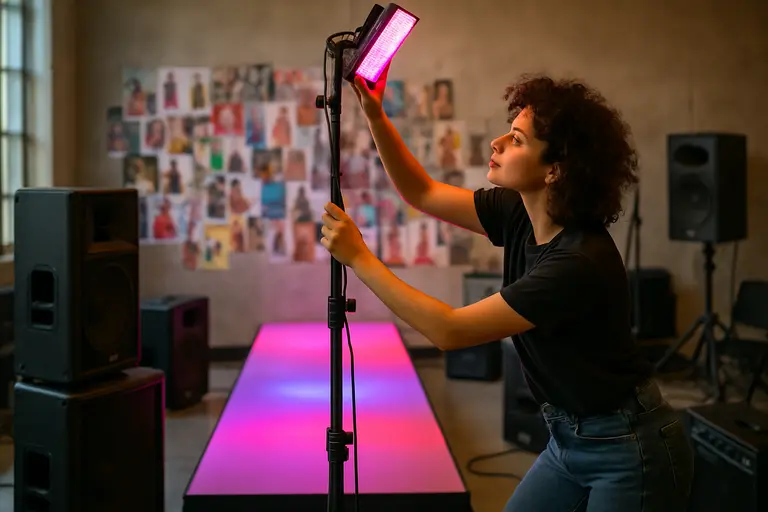
The practical use of LA Fashion Trends for music and creator work is translation. A producer does not need to become a fashion historian to learn from museum and trade signals. The goal is to identify visual parameters that can support sound, branding, and community identity.
If a track is built around formal drum programming and clean synth lines, structured tailoring cues may fit the visual world. If the music is darker, slower, or more cinematic, print references around death, disguise, and shadow may support the mood. If the project is handmade, local, or merch-focused, textile sourcing and visible fabrication can become part of the story.
- For cover art, use exhibition cues as composition rules: vertical lines, masked faces, dark contrast, or textile close-ups.
- For stagewear, test shape first: shoulders, sleeve volume, cropped bottoms, or layered transparency under performance lighting.
- For merch, consider fabric feel, limited sourcing, and construction details before adding graphics.
- For social visuals, show process honestly: swatches, fittings, mockups, and reference notes without claiming false cultural authority.
Rights and cultural context also matter. Creators should avoid copying protected characters, celebrity likenesses, living artists’ recognizable styles, or culturally specific garments for commercial confusion. This is not legal advice, but a reminder that inspiration works best when it is researched, credited where appropriate, and altered through genuine authorship.
LA Fashion Trends And Exhibition-Led Inspiration
LA Fashion Trends in late 2026 point toward a few defensible directions: structured shoulders, daywear tailoring, sheer layering, textile memory, darker print moods, and tactile sourcing. The evidence is real, but its meaning should stay measured. LACMA’s exhibitions provide cultural and historical visibility. Trade events provide sourcing and buyer context. Runway reporting provides silhouette clues. None of those sources, alone, can prove what every Los Angeles designer or community will wear.
For creators, that caution is useful. It keeps the work from chasing empty trend language. The stronger move is to build a small reference system: one silhouette cue, one textile cue, one mood cue, and one ethical boundary. That gives a producer, stylist, or seller enough structure to make something coherent without reducing exhibitions to decoration.
The most promising Los Angeles aesthetic right now is not one look. It is a method: study the show, respect the source, test the material, and let the final piece serve the music, the body, and the audience.