Live Sound Mixing notes from Amazon Music Live Season 5, with gain staging, filters, scenes, monitors, and broadcast-safe processing.

Electronic Music Production Made Practical
Live Sound Mixing notes from Amazon Music Live Season 5, with gain staging, filters, scenes, monitors, and broadcast-safe processing.
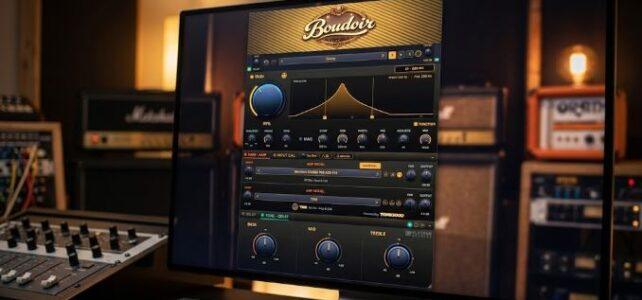
Amp-model libraries create a strange comparison problem. Two captures can represent very different amplifiers, gain structures, cabinets, and recording chains, but the louder one can seem more exciting before the listener has really judged its tone. Platinum Samples’ Boudoir addresses…

A cautious review of Bookmaking Gear at MoMA’s Creativity Lab, where tactile tools, access systems, and partner expertise shape the show.
Raven Chacon SFMOMA frames The Naming of Names through video, archival footage, and sound, with careful notes for creators.
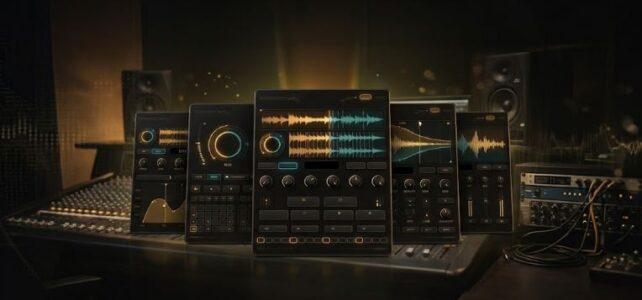
Most loop effects ask the performer to decide what should be captured before anything interesting can happen. Kaiq Electronics’ Memory Loop Slicer reverses that relationship. Its four-bar circular buffer is always recording, which means the phrase you just played is…

Every producer faces a creative block at some point. Your music might start to sound too familiar. It’s hard to find new ideas. The solution is simple: resample and re-slice your own audio. It’s not about using new plugins. It’s…
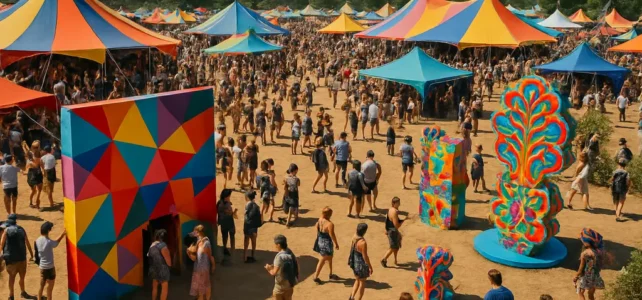
Stateside Festival Aesthetics shaped a July 4 event where major acts, local vendors, place, and staging built community presence.
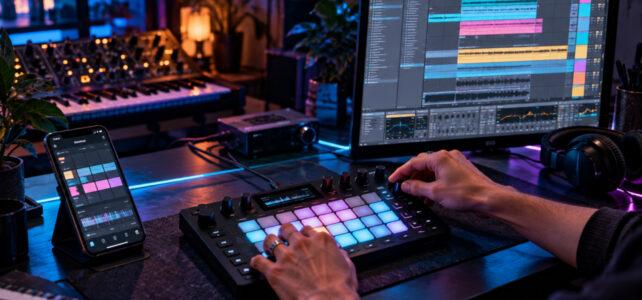
Ableton Move received a targeted beta update on October 9, 2026, addressing a synchronization problem that could interrupt the transfer of music projects between Move, Ableton Note, and Ableton Cloud. Although the update introduces no new instruments or sequencing features,…
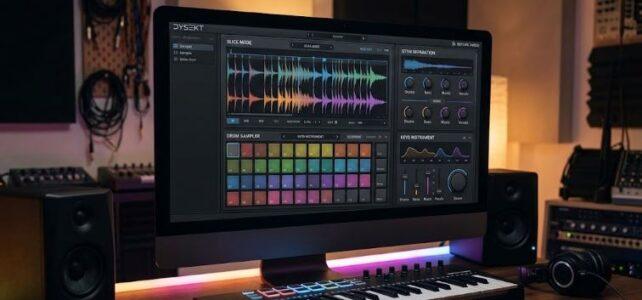
Sample slicing normally breaks one recording into smaller pieces. A producer imports a loop, detects transients, maps the resulting slices across MIDI notes, and starts rearranging them. Defuse Audio’s DYSEKT adds another decision after the cut: each slice can decide…
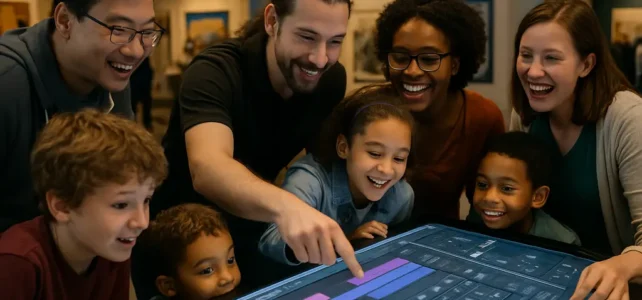
Smithsonian DAWs appear in workshops and AI programs, showing how museums frame accessible production, sampling, mixing, and software learning.