
RNB X Live Mixing is a useful lens for thinking about modern R&B production because the scheduled November 1, 2026 event in Dallas brings together artists whose records and stage formats can sit in very different pockets. The research notes list RNB X Live at The Pavilion at Toyota Music Factory with Erykah Badu, H.E.R., kwn, Destin Conrad, Jai’Len Josey, and RJTheWeirdo. That gives engineers a realistic planning problem: how do you keep vocals emotionally close, low end controlled, band elements clear, and release-ready captures consistent across a varied bill?
From my side of the glass, the answer starts with restraint. A festival context can tempt engineers to chase size first. R&B punishes that habit quickly. If the vocal loses tone, if the bass blooms into the kick, or if upper-mid energy builds around the presence range, the mix can feel loud but not intimate. Current mastering and mix-data research points to the same pressure points: loudness choices, low-end balance, tonal masking, and delivery format all need decisions before the first fader ride.
RNB X Live Mixing Priorities For Dallas
RNB X Live Mixing Starts With Vocal Intent
The research brief does not include artist-specific input lists, console files, or production notes, so any technical plan should be framed as preparation rather than a claim about the actual crews. Still, the scheduled lineup suggests a broad R&B field: soul-rooted performance language, guitar and keyboard textures, intimate vocal writing, possible tracks, and more minimal modern arrangements. RNB X Live Mixing should start by protecting the lead vocal across those formats.
For a vocal-forward bill, I would build mix scenes around the singer’s center image before chasing width. That means leaving space in the 1 kHz to 5 kHz region, where vocal articulation, guitars, keys, synth layers, and crowd-facing brightness can collide. Real-time analyzers and masking meters can help locate overlap, but they should not become the mix decision. The ear still decides whether a phrase feels close, strained, or buried.
Reference tracks from each headliner can help set a starting point for tone and dynamics, as the research suggests. The key is not to clone a record mix through a PA. A mastered recording, a festival PA, and a mobile livestream encode are different listening conditions. The reference should answer narrower questions: how dry is the vocal, how forward is the bass, how bright are the harmonies, and how much transient punch remains after compression?
Festival Changeovers Need Stem Discipline
Stem-first preparation can reduce risk when several artists move through one stage. Clean vocal, drums, bass, keys, guitar, playback, and background vocal stems give both live and post teams clearer control than a dense stereo playback file. This matters most when a set may later be clipped, mixed for social platforms, or archived for release. If stems arrive noisy or unbalanced, every later process has less room to work.
Source repair deserves a place before the creative mix. Home-recorded backing vocals, rehearsal-room instruments, or venue-captured material can carry noise, bleed, or room tone that becomes more obvious after compression. Repair tools can reduce those issues, but I treat them as conservative cleanup. Heavy noise reduction can flatten breath, pick noise, and room cues that help R&B feel human.
RobSonic has covered related venue and release pressure in R&B live events after Spotify’s Dallas bet, and the same idea applies here: the stage mix and the shareable mix are connected, but they are not the same product.
Loudness And Low-End Choices
Normalization Rewards Controlled Masters
Streaming loudness targets are not a finish-line number, but they are a useful guardrail. The research notes say Spotify, YouTube, Amazon Music, and Tidal normalize near -14 LUFS integrated, while Apple Music sits closer to -16 LUFS, with true peak ceilings commonly held near -1.0 dBTP. A 2026 mastering analysis also describes these platform targets and the need to prepare formats with translation in mind via LB Mastering’s 2026 mastering trends.
That matters for RNB X Live Mixing because a festival capture that is pushed too hard may not feel louder after distribution. It may only arrive with less movement. R&B often depends on small dynamic cues: a singer leaning into a line, a snare ghost note before the backbeat, a bass slide that opens the chorus. If the master bus clamps those details early, the distributed version can feel flatter even if the meter looks competitive.
A practical target is to mix with headroom, then master with the delivery path in mind. For a live capture, I would rather print a controlled mix with honest peaks than a crushed file that streaming platforms turn down. The goal is not softness. The goal is impact that survives normalization.
Low End Has To Support The Song
The research notes point to low-end control as a common problem, especially in genres with live instrumentation. RoEx reported that its analysis of more than 7 million tracks found 79% exceeded Spotify’s -14 LUFS target, and the same discussion notes recurring low-end and tonal-balance issues in processed material through RoEx’s track analysis. That is not a reason to mix by statistic, but it is a useful warning.
R&B bass is emotional information, not only frequency weight. Sub-bass can make a chorus feel expensive; uncontrolled sub-bass can hide the kick, smear harmony, and trigger limiters. In a live-festival context, bass guitar, 808-style lows, kick drum, keyboard left hand, and playback tracks may all fight for the same octave. I would separate them by arrangement first, EQ second, and dynamics third.
For example, the bass can own sustain while the kick owns the first transient, or the kick can carry the sub while the bass speaks higher. Sidechain compression can help, but it should be set for groove, not as a visible pumping effect unless the arrangement calls for it. Dynamic EQ often works better than static cuts when different songs move between live band R&B and sparse programmed production.
Immersive, Stereo, And Mono Translation
Separate Mixes Beat Simple Upmixes
Immersive audio is part of the 2026 delivery conversation, but it should be handled with care. The research notes say many new releases ship with both stereo and immersive versions. That does not mean every festival capture needs a dramatic spatial treatment. It means engineers should plan whether stereo, immersive, and social clips are separate deliverables, each with its own quality check.
For R&B, the safest immersive choice is often to keep the lead vocal emotionally anchored while using space for audience, reverbs, background vocals, keys, and atmospheric material. Moving the lead too aggressively can feel impressive for a few seconds and then weaken the song. A stereo fold-down check is not optional. If the immersive mix collapses poorly, the main listener experience may suffer on phones, laptops, and basic soundbars.
Mono Compatibility Still Matters
Mono compatibility can sound like an old broadcast concern, but it remains relevant. Festival sound may reach hallway speakers, social clips, phone playback, and venue zones where stereo width is limited. Wide synth pads, doubled guitars, stereo backing vocals, and modulation effects can lose weight when collapsed.
My check is simple: collapse the mix and listen for what disappears. If the groove weakens, the stereo width is carrying too much essential information. If the lead vocal changes tone, stereo effects may be creating phase problems. If background vocals vanish, the widening method needs revision. This is not anti-width. Width is beautiful in R&B. It just has to be built on a stable center.
Hybrid Tools Without Losing The Human Feel
AI Assistance Should Stay Technical
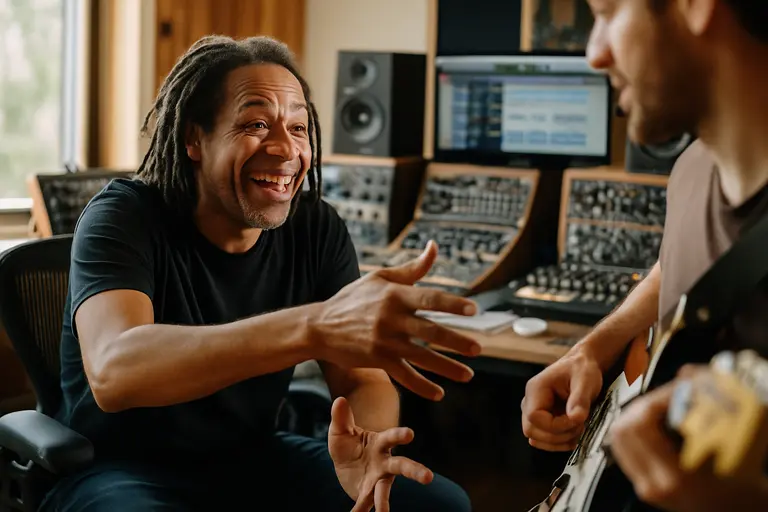
Assistive mixing systems can now help with gain staging, frequency balance, and stereo placement when stems are clean and metadata is reliable, according to the research notes. I use that kind of tool as a second set of measurement habits, not as an artistic supervisor. A system can flag harshness or bass build-up. It cannot know whether a gritty room vocal supports the lyric or whether a slightly dark snare is part of an artist’s identity.
That caution is especially important for a diverse R&B bill. A clean technical curve is not the same as a good R&B mix. Some records ask for smoke, saturation, loose timing, or a dry vocal sitting almost uncomfortably close. The engineer’s task is to separate fixable problems from intentional texture.
Analog Color Needs Digital Control
The research notes also describe renewed interest in hybrid analog-digital mastering chains: digital repair and EQ first, analog hardware for tone, then digital limiting and delivery checks. That order makes sense. Analog color can add density to vocals, glue to drums, or pleasing saturation to keys. It can also exaggerate low-end bloom and upper-mid bite if used without cleanup.
For a festival-derived R&B release, I would print versions before and after analog processing, then level-match them. Louder almost always wins in a quick comparison, so level matching is the honest test. If the analog pass adds depth without narrowing the vocal or blurring the bass, it earns its place. If it only makes the mix feel louder for ten seconds, I would pull it back.
For related culture and creator coverage in the same network, explore various arts and media topics through Next Clues, which often delves into areas overlapping with music communities.
RNB X Live Mixing Takeaways For R&B Engineers
RNB X Live Mixing should be treated as a planning exercise in translation. The scheduled November 1, 2026 Dallas event brings a lineup that may call for different vocal tones, rhythm-section balances, playback needs, and spatial choices from set to set. Since the research does not include official technical riders or console workflows, the safest analysis is to focus on repeatable engineering principles rather than claims about any artist’s private process.
The strongest approach is practical: start with clean stems, protect the lead vocal, manage the low end before the limiter, check mono early, and master for the platform rather than against it. Immersive versions can add depth when they are built as separate mixes, not quick exports. AI and assistant tools can speed up diagnosis, but they should not erase the traits that make R&B performances feel personal.
For aspiring artists, the lesson is direct. A festival-ready mix is not only the loudest version of a song. It is the version that keeps its emotion intact across the PA, headphones, phone speakers, stereo streams, and any later live capture. That is the standard I would bring to RNB X Live Mixing: clarity without sterilizing the performance, weight without mud, and polish without flattening the human feel.