
AI Event Commerce has moved from a speculative talking point into a set of practical tools touching ticket discovery, venue operations, and fan communication. The strongest evidence so far is not that every live experience will become automated. It is that commerce now starts earlier, often inside search, chat, or recommendation systems, before a fan reaches a venue page or ticketing screen. For artists, producers, promoters, and creative sellers, that shift calls for craft as much as software: clearer offers, honest audience data use, and a stronger sense of how a live moment becomes a purchase without flattening the culture around it.
What AI Event Commerce Has Already Changed
AI Event Commerce As Discovery, Not Hype
AI Event Commerce should be judged first by what it has already changed: discovery. On July 15, 2026, Ticketmaster said it had expanded event discovery through Claude, Anthropic’s AI assistant, by bringing real-time event information and ticket availability into a conversational experience where fans could find and compare live events without leaving the chat environment Ticketmaster announcement. That is a concrete commerce change because the search path itself becomes part of the sales path.
The creative impact is subtle but serious. If discovery happens inside a chat interface, the event description, location data, available inventory, timing, and comparison points may matter as much as poster design or social copy. The machine does not replace the artist’s story, but it can decide which parts of that story become readable to a fan asking a specific question. A vague listing may still carry mood; a clear listing helps the event be matched to intent.
Ticket Availability Inside The Conversation
For venues and promoters, chat-based discovery compresses steps that used to sit apart. A fan might ask what is happening nearby, compare dates, check availability, and move toward purchase in the same flow. That does not guarantee better sales, and it should not be described as a universal fix. It does mean commerce teams have to treat structured event information as part of the creative package.
As a producer, I read this like arrangement work. A great track can lose force if the intro hides the hook for too long. A strong event can lose commercial momentum if the listing hides the essential details. The lesson is not to make culture bland for algorithms. The lesson is to make the signal legible: artist name, venue, date, sound, access needs, age policy, and ticket status need to support the emotional promise rather than fight it.
Venue Operations Are Becoming Part Of The Offer
Pricing, Access, And Fraud Controls
USC Annenberg reported on February 16, 2026 that venues were using AI for demand forecasting, dynamic pricing, fraud detection, biometric access such as facial recognition, and personalized digital content USC Annenberg report. Those uses sit both in front-of-house and back-of-house operations. They also show why live event commerce is not only about a checkout page. The offer includes access, trust, timing, crowd flow, and communication before and after the performance.
This is where caution matters. Dynamic pricing and biometric access can be operational tools, but they also raise questions about fairness, consent, privacy, and audience trust. A system that detects fraud can protect ticket buyers. A poorly explained access system can make people feel watched or excluded. A pricing model can help match supply and demand. It can also create resentment if fans feel the rules are unclear. The evidence supports adoption, not automatic approval.
The Data Control Question
The research notes also point to a growing interest in event technology models that let organizers bring their own AI tools rather than rely only on built-in vendor systems. The reason is practical: data control. If a promoter, university, sports organization, or independent venue uses outside AI, it needs to know where audience data sits, who can inspect outputs, and how errors are corrected. That is not only a technical concern. It affects creative trust.
Artists and communities often build loyalty through direct language, shared rituals, and a sense of recognition. If AI systems rewrite that connection without care, the commerce layer can start to sound detached from the event itself. If teams treat data controls, message review, and audience consent as part of production planning, AI can support the live experience without pretending to be the culture.
Creative Commerce Lessons For Artists
A Producer’s View Of Fan Touchpoints
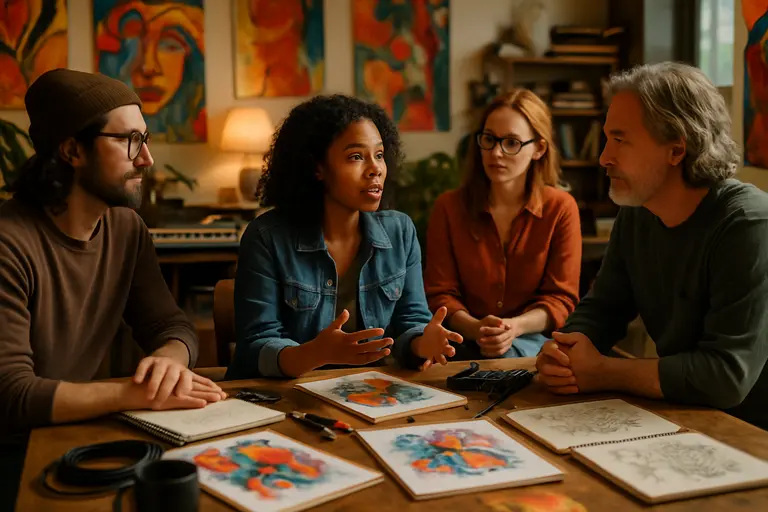
For artists and producers, AI Event Commerce is best understood as a chain of touchpoints. Discovery may happen in chat. Re-engagement may happen through a sales agent. Venue operations may shape arrival and entry. Merch or creator products may be offered before, during, or after the event. Each touchpoint can either deepen the relationship or make the audience feel processed.
My studio rule is simple: if automation cannot carry the tone of the project with respect, slow it down. The same principle applies to drum programming, vocal chops, or spatial effects. A tool can generate options, but the artist decides what belongs. In commerce, that means checking whether messages sound truthful, whether urgency is honest, and whether offers reflect the community around the event rather than a generic sales template.
This also connects with creator-commerce strategy beyond ticketing. RobSonic has covered how AI tools and creator commerce now overlap with music-led selling, video pressure, and artist product strategy. The useful path is not to flood fans with more prompts. It is to use better timing and clearer context so a purchase feels connected to the performance, the maker, and the moment.
Where Rights And Voice Need Care
AI sales tools can personalize language, but artist voice is not just copy style. It is identity, reputation, and community memory. Teams should be careful about systems that claim to speak “as” an artist unless the artist or their representatives have reviewed the tone, claims, and boundaries. This is especially sensitive for scenes rooted in local trust, underground club culture, handmade goods, cosplay communities, or fan-led creative spaces.
Rights clearance also deserves restraint. Event commerce may involve photos, likeness, artwork, remixes, fan merchandise, or themed experiences. AI does not remove the need to review permissions. This is not legal advice, and specific rights questions depend on the work, use, contracts, and jurisdiction. Creators should treat AI-generated copy or imagery as material that still needs human review before it is used commercially. For additional perspective on creative scenes beyond music technology, readers can explore related insights from Kay Granger’s site, which is part of the same network of arts and culture coverage.
- Keep event descriptions clear enough for search and chat systems to read accurately.
- Review AI-written fan messages for tone, truthfulness, and pressure tactics.
- Separate operational uses, such as fraud detection, from creative uses, such as content personalization.
- Ask vendors how audience data is stored, corrected, and shared.
- Protect artist voice by keeping final approval with the creative team.
AI Event Commerce For Future Live Experiences
AI Event Commerce will likely shape future live experiences most where it reduces friction without erasing the human reasons people gather. The supported facts show real movement: conversational ticket discovery, venue uses for forecasting and access, fraud detection, pricing systems, and personalized content. They do not prove that every fan wants a fully automated event path, or that every community will accept the same tools in the same way.
The more useful creative question is this: what should remain human? For me, the answer includes taste, consent, cultural memory, and the emotional arc of the night. AI can help surface the right event, explain availability, assist operations, and support commerce around the performance. It cannot know why a basement rave, a theater premiere, a cosplay gathering, a university game, or a handmade market matters to its people unless organizers teach the system carefully and set limits.
Artists do not need to fear every commerce tool, and they do not need to accept every sales promise. The balanced path is evidence-led adoption: test small, measure outcomes, protect audience trust, and keep the creative voice intact. If the ticketing path, venue operation, and post-event offer all serve the same artistic intent, AI becomes a supporting instrument rather than the lead performer.