
Luxury costumes became a clearer Halloween 2026 story because shoppers were not only buying for October 31. As of November 1, 2026, Halloween has already passed, so the useful question is what the pre-holiday data signaled about value, reuse, fashion credibility, and creator strategy. The most grounded read is not that disposable costumes disappeared. It is that a meaningful part of the market treated Halloween dressing more like wardrobe planning, with comfort, quality, resale, and repeat wear sitting closer to the center of the decision.
The National Retail Federation estimated that U.S. consumers would spend $4.4 billion on Halloween costumes in 2026, making costumes the largest Halloween spending category in its survey; the same release said 34% of consumers planned to look for items they could reuse or repurpose beyond October 31 NRF survey. That reuse figure matters because it gives a measurable base for the investment-piece argument. Shoppers may still enjoy theatrical styling, handmade details, and playful character references, but a sizeable group also wanted the purchase to survive past one party.
Why Luxury Costumes Fit Halloween 2026
Spending Data Shows A Value Shift
The clearest evidence sits in the scale of costume spending and the stated desire for reuse. A $4.4 billion costume category is large enough to support several buying behaviors at once: low-cost novelty pieces, handmade outfits, pet costumes, children’s costumes, adult party looks, and higher-end garments or accessories used as costume anchors. The key caution is that the NRF figure does not prove that most shoppers bought designer pieces. It does show that costumes were the biggest Halloween retail category and that reuse was part of the purchase logic for many consumers.
That distinction matters for producers, stylists, photographers, sellers, and visual creators building seasonal concepts. The commercial opportunity was not only in selling a full costume. It was also in helping people assemble a look around one stronger piece: a coat, dress, boots, jewelry, bag, headpiece, makeup product, or prop that could return in another context. From a creative direction angle, this is similar to building a beat around one standout sample. The surrounding choices can change, but the core element gives the idea repeat value.
Luxury Costumes And Reuse Logic
That is the strongest economic case for luxury costumes: the buyer may accept a higher price when the item can work after Halloween. The logic does not require every piece to be expensive. A single higher-quality garment can sit beside thrifted accessories, handmade additions, or beauty details. The value comes from the item’s second life, not just its first impression on October 31.
For creators, this points toward a more useful design brief. A Halloween concept can be dramatic without becoming single-use. A cape-like coat, metallic skirt, corset-style top, tailored-looking jacket, or high-shine accessory can support a costume while still being usable in photoshoots, stage styling, DJ sets, cosplay-adjacent events, or winter nightlife. The safest framing is not “everyone is buying luxury.” The better reading is that reuse gave higher-end pieces a stronger reason to be considered.
Fashion Media Signals Were Specific, Not Universal
Participation And Average Spend Set The Context
Fashion coverage also treated Halloween as a serious retail moment. Vogue reported that 92% of U.S. households said they would participate in Halloween in 2026, with people intending to spend an average of $219 across Halloween retail categories; the same reporting discussed interest in vintage designer pieces and search terms such as “Halloween dress” and “Halloween bag” on Vestiaire Collective Vogue. Those details support the idea that some shoppers approached Halloween through fashion and resale, not only costume-store aisles.
Still, the evidence should be read with care. Search interest around designer items does not equal confirmed purchases at scale. It does, however, show how Halloween styling language has widened. A person searching for a bag or dress in a Halloween context may be building a mood rather than buying a packaged costume. That is a useful signal for independent sellers and creators because it suggests demand for pieces that can imply a theme without directly copying a protected character, celebrity image, or artist identity.
Archive Pieces Work Because They Carry Mood
Vintage and statement fashion can carry a Halloween idea through silhouette, texture, color, and era reference. This is where the investment-piece approach can become creatively stronger than a literal costume. A black slip dress, structured jacket, glossy boot, dramatic glove, or ornate accessory can point toward gothic glamour, fantasy fashion, mythology, surreal styling, or rave-influenced nightlife without needing to imitate a specific copyrighted look.
That matters for a culture site like RobSonic because many readers move between music, visual styling, performance, and digital content. A producer planning a Halloween DJ clip, a vocalist styling cover art, or a beatmaker shooting short-form visuals may not need a full costume. They may need one strong object that photographs well, moves well, and can return in other visual campaigns. For adjacent culture notes across the network, the website NextClues also tracks consumer-facing shifts that often shape how seasonal ideas spread.
What This Means For Creators And Sellers
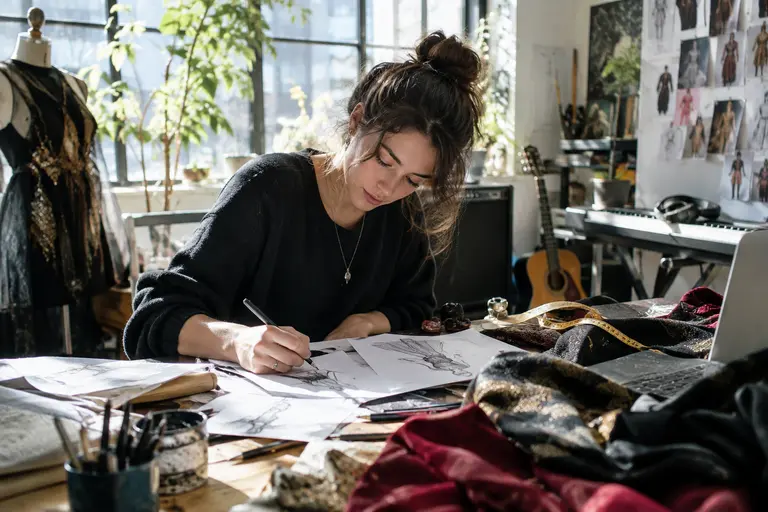
Build Around Repeat Wear, Not One-Night Novelty
The best seller takeaway is to describe use cases clearly. If an item can work for Halloween, nightlife, cosplay-adjacent styling, a music video, a themed dinner, or a winter party, say so without inflating the claim. Shoppers comparing a cheap one-night item with a stronger garment need practical reasons to justify the spend: fit, comfort, materials, storage, cleaning, and styling flexibility. Even without adding unsupported numbers, these are the features that connect directly to the reuse signal in the available research.
Creators should also avoid treating the investment-piece idea as a license to copy. A handmade seller can reference broad moods such as mythic, gothic, celestial, surreal, retro-futurist, vampire-inspired, or dark romantic without promising affiliation with an artist, film, label, or celebrity. That keeps the work more original and reduces confusion for buyers. This is not legal advice, but it is a practical creative habit: build from themes, materials, and silhouettes rather than from protected likenesses or named characters.
Costume Styling Can Borrow From Fashion Mood Boards
Seasonal costume planning overlaps with fashion mood boards because both rely on shape, color, texture, and cultural reference. RobSonic readers comparing Halloween styling with broader fashion direction may find a useful bridge in the site’s look at Fall 2026 fashion signals, especially where restraint, black, earth tones, and romantic shape inform creator visuals. Halloween looks did not exist apart from those cues; many strongest outfits worked because they made seasonal fantasy feel wearable.
- Lead with one durable anchor piece, then add lower-cost details around it.
- Use makeup, nails, hair, and accessories to shift the same garment across different concepts.
- Describe the mood clearly, but avoid implying rights or affiliation that are not verified.
- Photograph pieces in both costume and non-costume settings to show repeat use.
For music creators, this can shape more than Halloween posts. A strong garment or accessory can become part of a producer identity, press photo, beat tape cover, release visualizer, or live-event outfit. That is why the investment idea can make sense beyond fashion retail. Visual consistency helps audiences recognize an artist, and reusable pieces can support that consistency without requiring a fresh costume build for every shoot.
Luxury Costumes And The Halloween Value Test
A Practical Read After October 31
The strongest read on luxury costumes after Halloween 2026 is measured, not hype-driven. The data supports a real interest in costume spending, broad Halloween participation, reuse, and fashion-led searching. It does not prove that premium pieces replaced traditional costumes for most shoppers. A cautious interpretation is stronger: some consumers treated Halloween as a reason to buy better items that could keep working after the holiday.
That shift favors creators who think in systems rather than single outfits. A costume can be a garment, an accessory set, a beauty look, a photo concept, and a performance cue at the same time. If the piece holds up outside October 31, the buyer has more reasons to keep it, style it, resell it, or build future content around it. For artists and makers, the opportunity is to respect Halloween’s playful culture while offering pieces with credible value beyond the party.
The useful creative question is simple: would this item still make sense after the mask, makeup, or prop comes off? If the answer is yes, the costume has a better chance of feeling like an investment rather than a one-night expense.